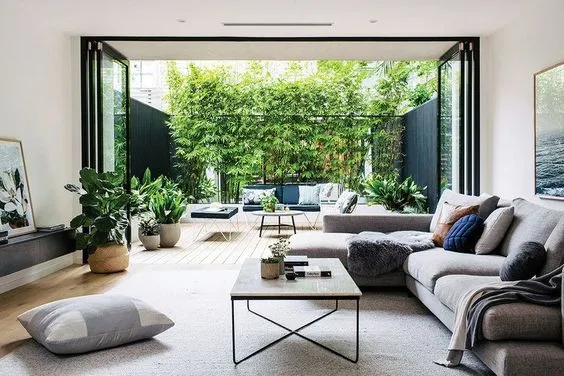
Renovating your home can be an exciting yet daunting task, especially when considering the costs involved. In Cape Town, what you pay depends on the size of the project, the materials you choose, the complexity of the design — and on the house itself, because older Cape Town homes often hide wiring, damp and plumbing problems that only show once the walls are opened. Here is what a renovation costs in Cape Town, room by room, and what drives the final number.
Factors Influencing Renovation Costs
1. Size and Scope of the Project
- Minor Renovations: Simple updates like painting, replacing fixtures, or upgrading flooring typically cost less. Expect to pay around R5,000 to R30,000.
- Medium Renovations: Projects such as bathroom or kitchen remodels can range from R30,000 to R200,000 depending on the materials and finishes. For a line-by-line breakdown, see our bathroom renovation cost guide.
- Major Renovations: Extensive projects like adding new rooms, complete home remodels, or luxury upgrades can cost anywhere from R200,000 to over R1,000,000. For whole-house and extension budgets, our construction cost per m² guide is a better starting point.
2. Material Quality
- The choice between basic, standard, and luxury materials will heavily influence costs. For example, granite countertops and high-end appliances will push the budget higher compared to laminate countertops and standard appliances.
3. Labour Costs
- Expect to pay between R150 and R400 per hour for skilled tradespeople in Cape Town. Larger firms might charge more, but they often provide more reliable timelines and warranties.
4. Professional Fees
- Hiring architects, interior designers, and project managers adds to the cost. Architects can charge between 5% and 15% of the total project cost, while interior designers might charge hourly rates ranging from R500 to R1,500. Any work that needs approved plans will need a draughtsman or architect.
Cape Town Considerations
A few things about building in Cape Town push renovation costs in ways a national average will not show.
Older housing stock
- Many homes in the Southern Suburbs and City Bowl are decades old. Original wiring, galvanised plumbing and rising damp are common, and they tend to surface mid-project. Electrical work needs a Certificate of Compliance on completion, so outdated wiring cannot simply be worked around.
Council approvals and heritage
- Structural changes and extensions need plans approved by the City of Cape Town before work starts. Structures older than 60 years also need a Heritage Western Cape permit before they are altered — common in suburbs like Rondebosch, Observatory, Tamboerskloof and Wynberg. Both add fees and lead time.
Weather and the coast
- Winter rain makes waterproofing, roofing and exterior painting a priority — and best scheduled for the drier months. On the Atlantic Seaboard, salt air shortens the life of exposed metal fixings and finishes, so coastal specifications cost more up front.
Site access
- Steep sites, narrow streets and limited parking — typical of the Atlantic Seaboard and City Bowl — add time and cost for scaffolding, deliveries and rubble removal.
Breakdown of Common Renovation Costs
Kitchen Renovation
- Basic
- R20,000 - R50,000
- Standard
- R50,000 - R150,000
- High-end
- R150,000 - R500,000+
Bathroom Renovation
- Basic
- R10,000 - R30,000
- Mid-range
- R30,000 - R100,000
- High-end
- R100,000 - R150,000+
Bedroom
- Refresh
- R25,000 - R60,000
- Mid-range
- R60,000 - R150,000
- Full suite
- R150,000 - R350,000+
Living Room / Dining Room
- Basic
- R10,000 - R30,000
- Standard
- R30,000 - R80,000
- High-end
- R80,000 - R200,000+
Garage Conversion
- Single, basic
- R80,000 - R220,000
- Double, basic
- R180,000 - R400,000
Exterior Renovation
- Painting
- R15,000 - R70,000
- Landscaping
- R10,000 - R100,000+
- Roof Replacement
- R50,000 - R150,000+
These ranges are indicative for Cape Town and depend on the size of the space, the condition of what is already there, and the finishes you choose. A site visit is the only way to price a specific project.
Tips to Manage Renovation Costs
1. Budget Wisely
- Set a realistic budget and include a contingency of 10-20% for unexpected expenses — closer to 20% for an older home.
2. Plan Thoroughly
- Detailed planning can prevent costly changes mid-project. Work closely with your contractor to establish a clear scope of work, and find out early whether your project needs council or heritage approval.
3. Fix the Fabric First
- Deal with roof leaks, damp, cracks and waterproofing before new finishes. A new kitchen or bathroom built over an unresolved damp problem is money spent twice.
4. Choose Materials Carefully
- Opt for high-quality materials that fit your budget. Sometimes, mid-range materials offer a good balance between cost and durability — and locally sourced materials are usually cheaper than imported equivalents.
Conclusion
Renovating a home in Cape Town can be a significant investment, but with careful planning and budgeting, it can also add substantial value and comfort to your living space. Whether you’re undertaking a minor update or a major overhaul, understanding the factors that influence renovation costs — especially the ones particular to Cape Town’s older homes, approvals and weather — will help you manage your project more effectively.